

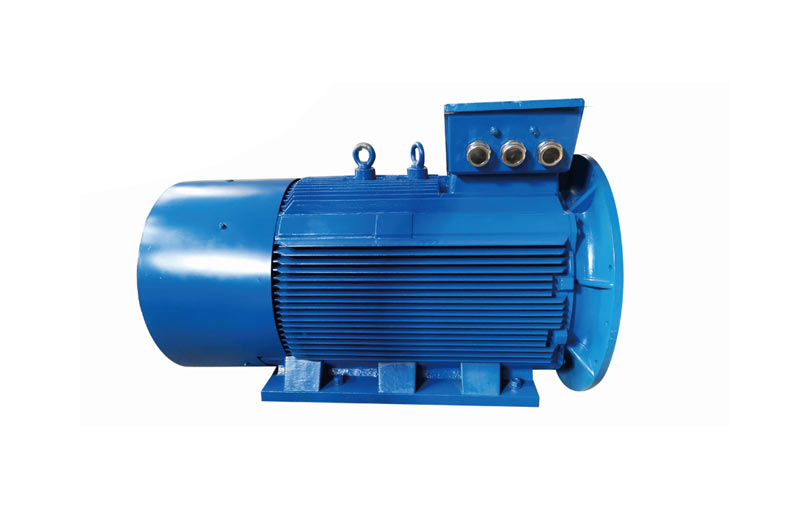

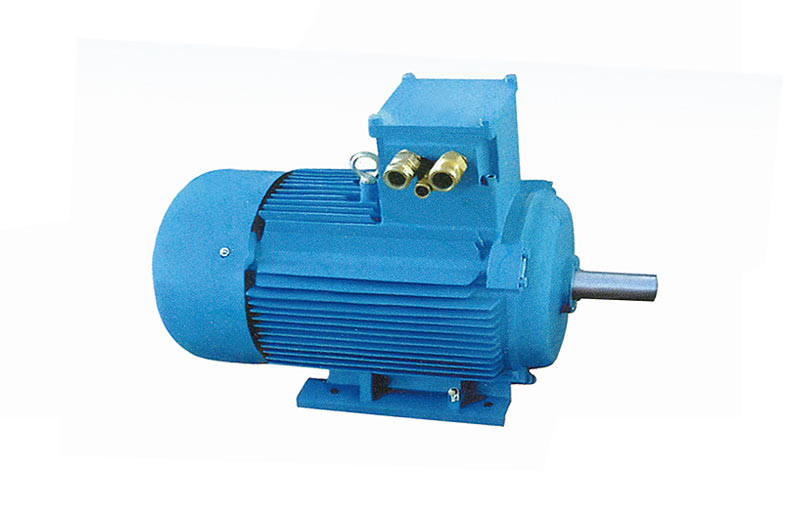
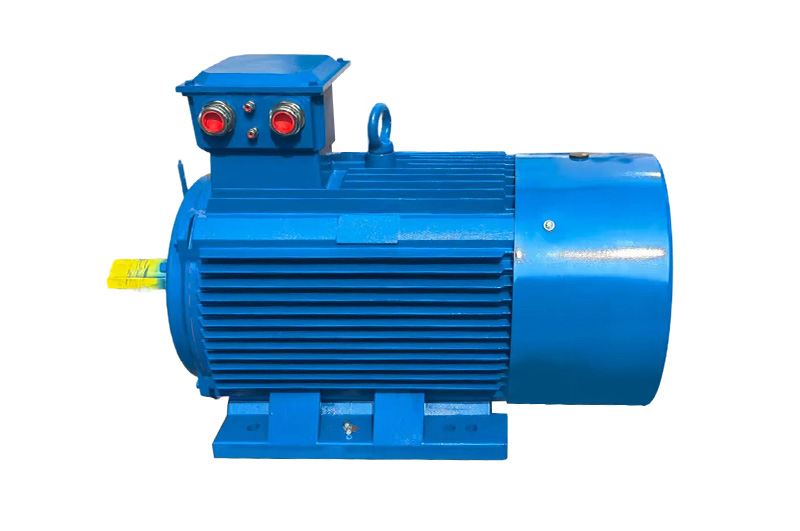
YVFF-H series Marine variable frequency speed regulation three-phase asynchronous motor

Product center
News Information
- Where does the noise from the motor come from?
- What are the differences between Marine motors and general motors?
- Analysis of the Causes of Motor Overload and Solutions
- What should I do if the Marine motor in Wuxi does not generate electricity or the voltage is abnormal?
- The hazards of motor shaft eccentricity and preventive measures
- What is the working principle of Marine electromechanical systems
- Usage methods and precautions for Marine hoisting motors in Wuxi
- How to deal with the challenges brought by a humid environment
- How should a linear motor be debugged?
- Motor equipment maintenance and repair: The key to ensuring stable power
Service Hotline:
How to deal with the challenges brought by a humid environment
Release time:2025-07-02
Dampness, this seemingly mild environmental factor, is actually one of the most hidden enemies in the operation of motors. In coastal areas, food processing plants or during the rainy season, moisture in the air silently erodes the health of motors, leading to frequent malfunctions. Understanding the impact of moisture on motors and taking the correct protective measures are the keys to ensuring the long-term stable operation of equipment. How does dampness "murder" your motor? When moisture seeps into the interior of the motor, it first attacks the most vulnerable part - the winding insulation layer.
Moisture will gradually damage the performance of insulating materials, leading to an increase in leakage current and eventually causing short circuits or ground faults. What is more troublesome is that a humid environment is often accompanied by corrosion. As a result, motor bearings, end covers, and even terminal blocks may rust, causing mechanical jamming or poor contact. In a certain paper mill in the south, an imported motor worth hundreds of thousands of yuan once frequently tripped due to the long-term excessive humidity in the workshop.
After disassembling, the maintenance personnel found that dew had condensed on the surface of the winding and the insulation resistance value had dropped below the safety line. If this "chronic disease" is not dealt with in time, it is very likely to lead to the complete scrapping of the motor. When dealing with damp environments, passive maintenance is not as good as active protection. First of all, it is crucial to select a motor with an appropriate protection grade. Motors with a protection grade of IP55 or above can effectively prevent water vapor from entering, which is the first line of defense in damp places.
Secondly, regularly using a megohmmeter to test insulation resistance is like giving the motor a "physical examination", which can identify problems before insulation failure occurs. The most easily overlooked aspect is the protection during shutdown. After the motor stops running, the drop in internal temperature will produce a "breathing effect", drawing in the surrounding moisture. For this reason, experts suggest placing desiccants inside motors that have been idle for a long time or installing space heaters to maintain a slightly warm state.
Through this simple method, a certain water treatment plant has reduced the motor failure rate by 60%. For motors that have already been exposed to moisture, the professional repair process is like the rescue in an ICU. First, use an infrared drying oven for low-temperature and slow drying. It is strictly forbidden to use high heat for quick success and instant benefits, as this will cause the insulating material to become brittle. After the windings are dried, they should be immediately impregnated with insulating varnish. This process is similar to applying a waterproof dressing to a wound.
Finally, a strict withstand voltage test must be conducted to ensure that the motor "recovers" before it can be put back into operation. In the field of motor repair, prevention is always more economical than treatment. In the face of the invisible killer of dampness, establishing a complete moisture-proof plan is more valuable than emergency repairs after a malfunction.
Follow us

Wechat service
Mobile website
Add:No. 28-74-1, Huibei Road, Wuxi City, Jiangsu Province, China (Inside Wuxi Optoelectronic New Materials Science and Technology Park
Copy rights reserved © 2025 Wuxi Silida Marine Engineering Equipment Co., LTD 苏ICP备88888888号