

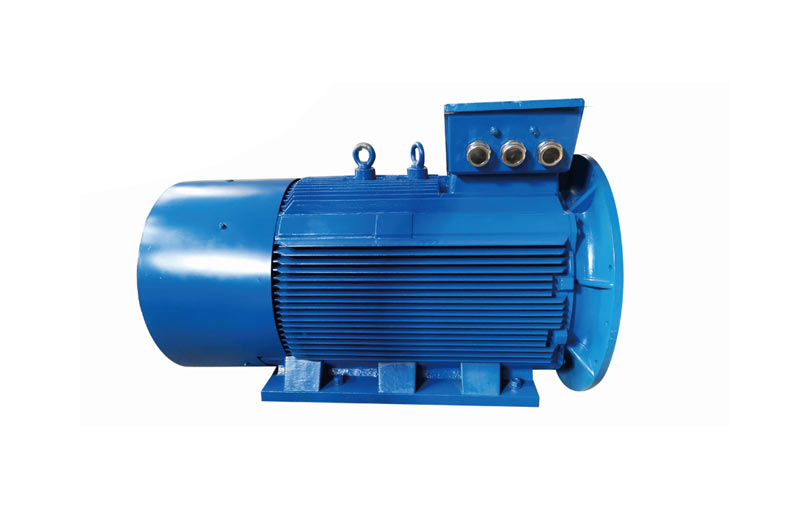

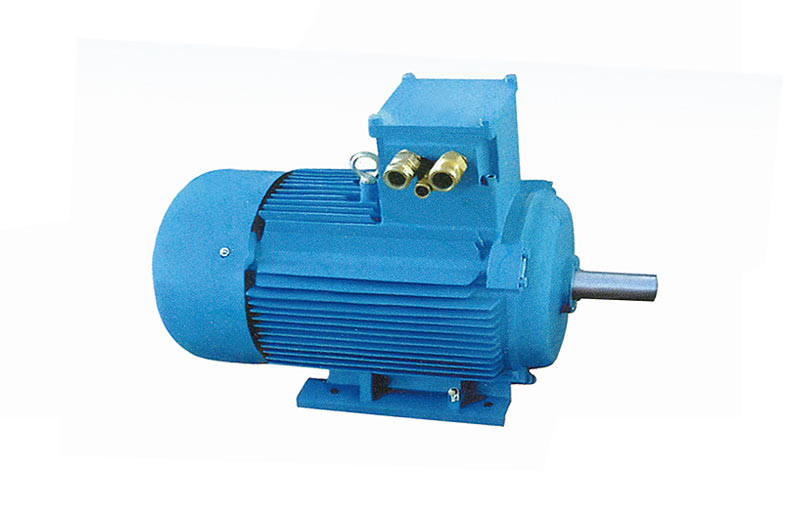
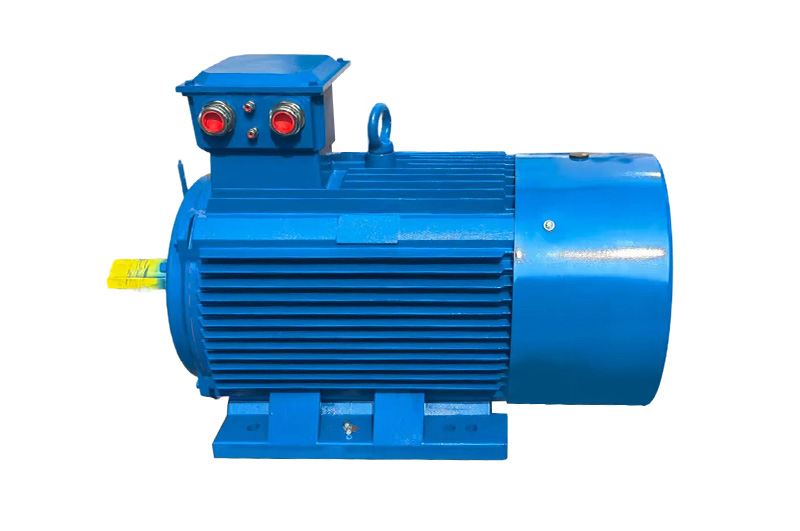
YVFF-H series Marine variable frequency speed regulation three-phase asynchronous motor

Product center
News Information
- Where does the noise from the motor come from?
- What are the differences between Marine motors and general motors?
- Analysis of the Causes of Motor Overload and Solutions
- What should I do if the Marine motor in Wuxi does not generate electricity or the voltage is abnormal?
- The hazards of motor shaft eccentricity and preventive measures
- What is the working principle of Marine electromechanical systems
- Usage methods and precautions for Marine hoisting motors in Wuxi
- How to deal with the challenges brought by a humid environment
- How should a linear motor be debugged?
- Motor equipment maintenance and repair: The key to ensuring stable power
Service Hotline:
The "Time Traveler" in Motor Repair: Restoration and Rebirth of Vintage Motors
Release time:2025-06-06
In the corners of modern factories, there are always some old motors that have been in service for over thirty years and are still on duty. The maintenance of these industrial "living fossils" is like a technological dialogue that transcends time and space. Maintenance technicians have to go through yellowed handwritten maintenance records, search for parts that have long been discontinued, and even relearn manufacturing processes that have been phased out. Master Zhang still remembers the experience of repairing that Soviet-made motor from 1958.
This motor, which serves an old military industrial enterprise, uses the long-obsolete A-class insulation material. In order to maintain its original appearance, they had to use the ancient method to boil asphalt insulating glue, just like an old traditional Chinese doctor decocting medicine, strictly controlling the heat. Nowadays, young people don't understand that once these old motors are repaired, their sounds still carry the echoes of history. Master Zhang stroked the motor nameplate and said. What's even more troublesome is the spare parts issue. The bearings of the motor imported from West Germany in a certain textile factory in 1972 were damaged, and the original factory no longer exists.
The maintenance team spent three months replicating a perfectly matching bearing through 3D scanning and reverse engineering. This kind of "industrial archaeology" style of maintenance often costs several times as much as new motors, but for some special industries, these old motors carry not only power but also an irreplaceable industrial memory.
Follow us

Wechat service
Mobile website
Add:No. 28-74-1, Huibei Road, Wuxi City, Jiangsu Province, China (Inside Wuxi Optoelectronic New Materials Science and Technology Park
Copy rights reserved © 2025 Wuxi Silida Marine Engineering Equipment Co., LTD 苏ICP备88888888号