

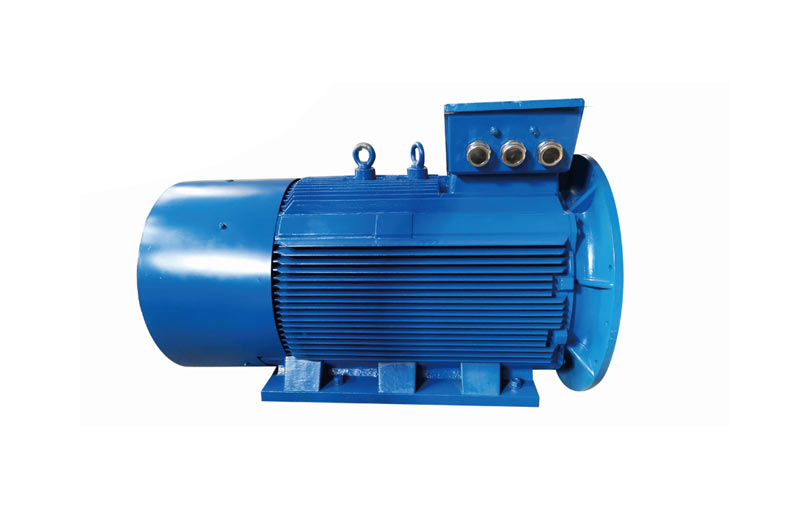

YVFF-H series Marine variable frequency speed regulation three-phase asynchronous motor

Product center
News Information
- Where does the noise from the motor come from?
- What are the differences between Marine motors and general motors?
- Analysis of the Causes of Motor Overload and Solutions
- What should I do if the Marine motor in Wuxi does not generate electricity or the voltage is abnormal?
- The hazards of motor shaft eccentricity and preventive measures
- What is the working principle of Marine electromechanical systems
- Usage methods and precautions for Marine hoisting motors in Wuxi
- How to deal with the challenges brought by a humid environment
- How should a linear motor be debugged?
- Motor equipment maintenance and repair: The key to ensuring stable power
Service Hotline:
The hazards of motor shaft eccentricity and preventive measures
Release time:2025-07-18
In modern industrial production, motors, as core power equipment, their operational stability directly affects production efficiency and equipment lifespan. However, the common fault of motor shaft eccentricity is often overlooked until serious consequences occur and then it is taken seriously. The eccentricity of the rotating shaft not only causes abnormal vibration and noise of the equipment, but also triggers a series of chain reactions, bringing huge economic losses to the enterprise. Next, we will conduct a detailed analysis of the hazards caused by the eccentricity of the motor shaft and propose effective prevention and solutions.
The main hazards of eccentric rotating shafts
Firstly, eccentricity of the rotating shaft can cause severe vibration. When the center of the motor rotor does not coincide with the center of the stator, a significant centrifugal force will be generated during the rotation process, causing the overall vibration of the equipment to intensify. This kind of vibration not only accelerates the wear of mechanical components such as bearings and end covers, but may also trigger resonance phenomena, causing collateral damage to surrounding equipment. Secondly, eccentric operation will cause shrill noise pollution. Unlike the smooth sound during normal operation, eccentric motors will emit periodic "buzzing" or knocking sounds, which seriously affect the working environment.
In terms of energy consumption, eccentricity of the rotating shaft can lead to significant energy loss. Due to the uneven air gap, the magnetic field distribution of the motor is unbalanced, and the operating efficiency may drop by 5% to 20%, which means that the same amount of work will consume more electricity. What is more serious is that local overheating caused by eccentricity will accelerate the aging of insulating materials and significantly shorten the service life of the motor. When eccentricity reaches a certain degree, even a rotor scraping accident may occur, causing the motor to suddenly jam and stop, resulting in the interruption of the production line and bringing incalculable economic losses to the enterprise.
Detection and prevention of Shaft eccentricity
To effectively prevent eccentricity faults of the rotating shaft, it is essential to ensure precise alignment during installation first. Calibrate with a laser alignment instrument to keep the deviation within 0.05mm. Regular maintenance is also crucial. It is recommended to check the condition of the bearings and the tightness of the anchor bolts every 3 to 6 months. For the eccentricity problems that have already occurred, the operating condition can be improved through dynamic balance correction. In daily monitoring, vibration analyzers and infrared thermal imagers are both effective diagnostic tools that can promptly identify potential problems.
The eccentricity of the motor shaft may seem like a minor issue, but if not dealt with promptly, it can often lead to a serious disaster. Through scientific preventive measures and standardized maintenance, all kinds of faults caused by eccentricity can be completely avoided. Enterprises should establish a sound equipment inspection system to ensure early detection and prompt handling, guaranteeing the long-term stable operation of motor equipment and safeguarding safe production. Remember, in the industrial sector, the investment in preventive maintenance is always more economical and effective than that in post-event repairs.
Hengda Motor has always been dedicated to the research and development, production and service of various types of motors. With advanced technology and equipment, lean manufacturing processes, reliable product quality and satisfactory after-sales service, the company provides customers with the most suitable professional motor solutions and creates greater social value.
Follow us

Wechat service
Mobile website
Add:No. 28-74-1, Huibei Road, Wuxi City, Jiangsu Province, China (Inside Wuxi Optoelectronic New Materials Science and Technology Park
Copy rights reserved © 2025 Wuxi Silida Marine Engineering Equipment Co., LTD 苏ICP备88888888号